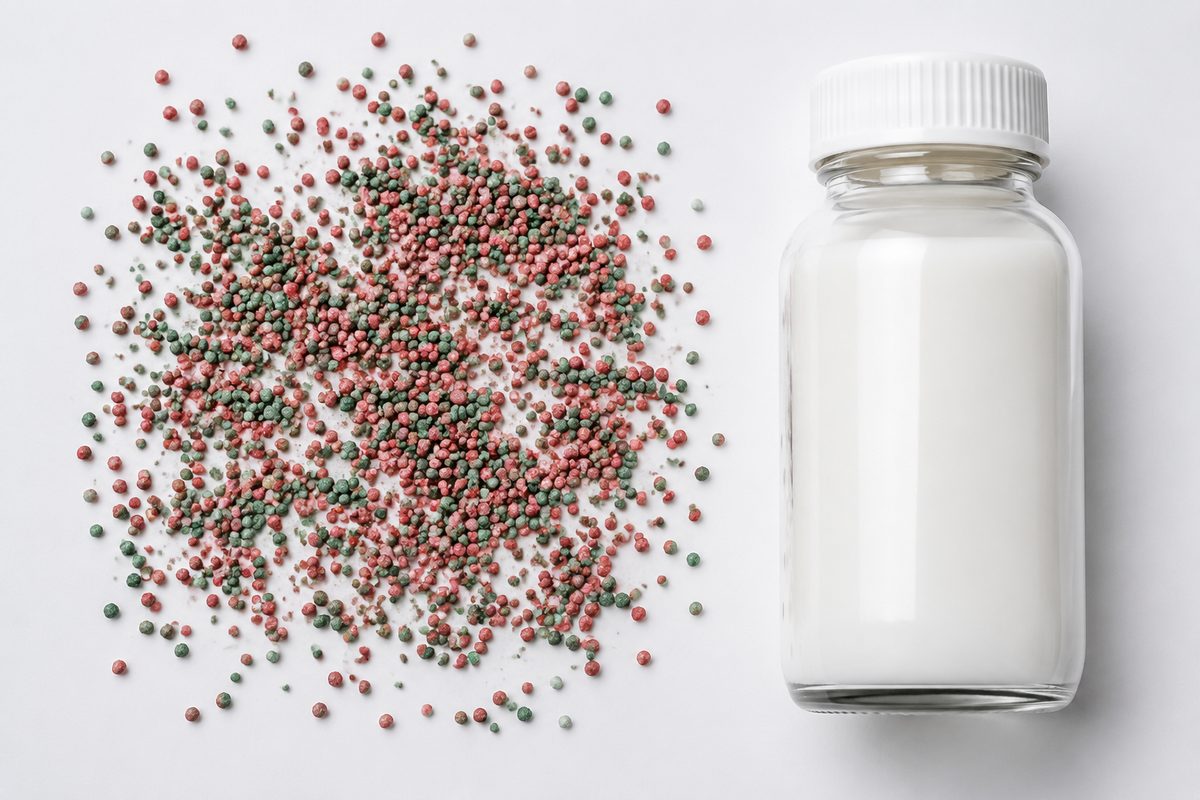
For plants that already hold local registration and run WP, WG or SC lines. Censil Silica supplies the inert carrier plus adsorption, flow, anti-caking and physical-stability support. Active ingredients, efficacy, registration and finished-product liability stay entirely on your side.
Grades our customers usually benchmark against: Evonik precipitated carrier silica such as SIPERNAT® 22, Quechen Silicon carrier grades, and Madhu Silica precipitated carrier grades.
Our route is not a brand-premium play: we start where the production problem is, run profile-matched screening, and earn the slot as a qualified second source — one validated sample at a time.
Three grades are put forward for this track. We do not publish typical-value tables here: the controlled TDS, COA and SDS for each grade are sent with the sample so that your evaluation runs on the document that will govern supply, not on brochure figures.
| Grade | Material | Where it sits in the screening |
|---|---|---|
| CENSIL 260P | Precipitated silica powder | Base carrier. Start here when the liquid load is moderate and the real problem is flow and caking rather than raw absorption capacity. |
| CENSIL 265P | Precipitated silica powder | Middle route. Takes more liquid than 260P while keeping the powder free-running — the usual answer when 260P holds the load but the flow is not there. |
| CENSIL 280P | Precipitated silica powder | High-loading candidate for choline chloride, organic acids and other demanding liquids where target loading is the binding constraint. |
On data. Final performance, compliance and application fit follow the supplier's latest TDS, the lot COA and your own test results. Ask for the grade-specific document set before you commit a formulation or a trial protocol.
| Validation dimension | Signal to check | What it tells you |
|---|---|---|
| Carrier adsorption | Can the carrier take the intended active load | Formulation feasibility |
| WG disintegration & dispersion | Disintegration time and dispersion against target | Field / end-use performance |
| SC settling | Soft and hard sediment over storage | Storage and use stability |
| Dust & flow | Airborne dust and powder handling on the line | Plant operability |
| Inverted-bottle residue | How much product stays behind in the pack | Customer-facing quality |
“Choosing between CENSIL 260P, 265P and 280P starts from your dosage form, your current carrier and the adsorption load. We serve the physical stability of the formulation and stay out of registration and efficacy.”