We treat manufacturing as an extension of application engineering. The recipe behind your validated sample — reaction curve, wash endpoint, tower temperatures, classifier settings — is frozen into the production record, and each of the six stages below runs against it. That is how a repeat order arrives behaving like the first.
Precipitated silica is a manufactured structure: change one condition during synthesis and the material changes with it. Our answer is procedural — fix the parameters per grade, log them per batch, and let six stages carry your sample's structure into every repeat order.

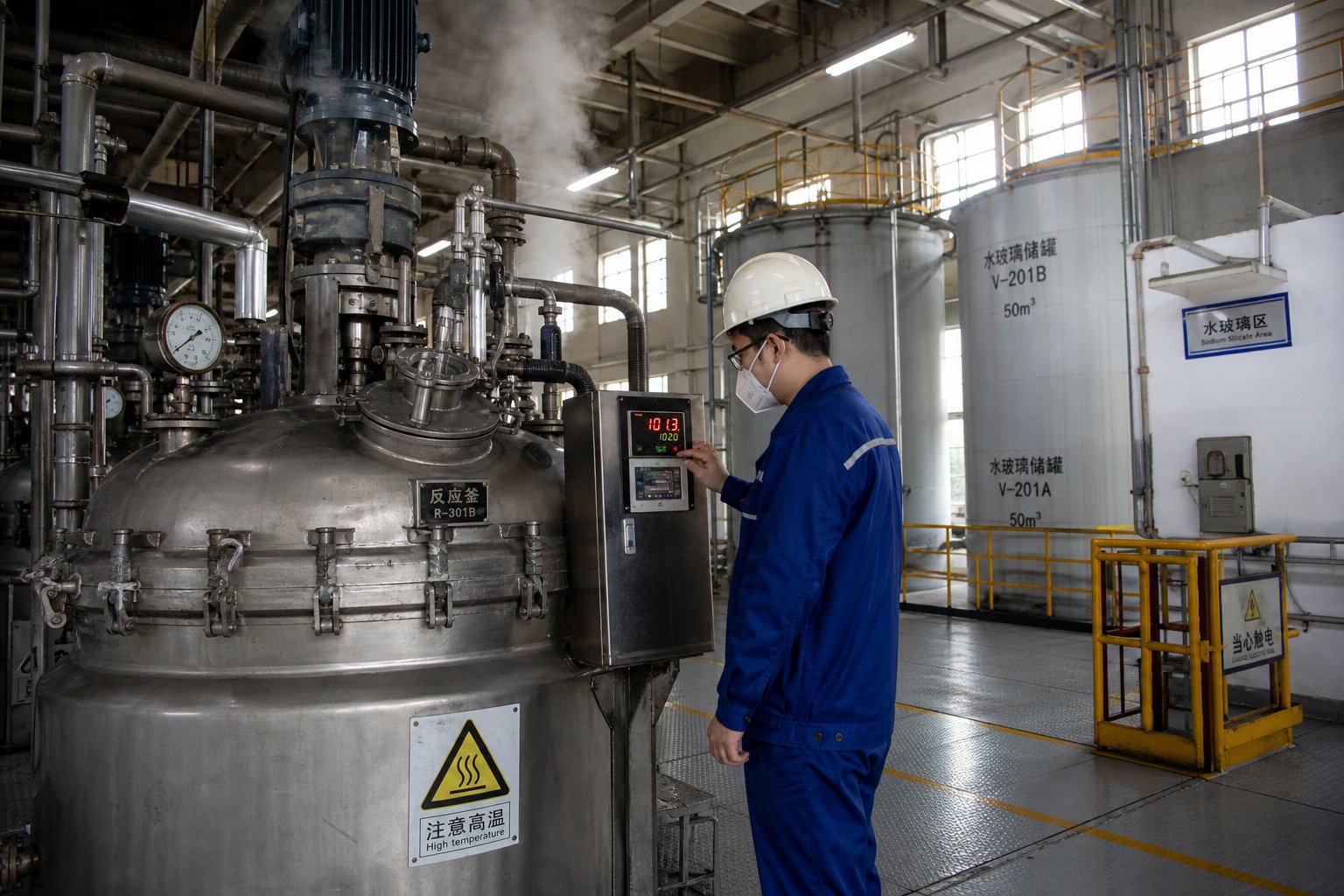
This is the stage that decides what the material is. Acid meets silicate under a grade-specific recipe — feed rate, concentration, temperature curve — and the porous network grows to a defined surface area and structure level. A high-structure carrier, a thickener and a gentle cleaning silica part ways here, long before any drying or milling.

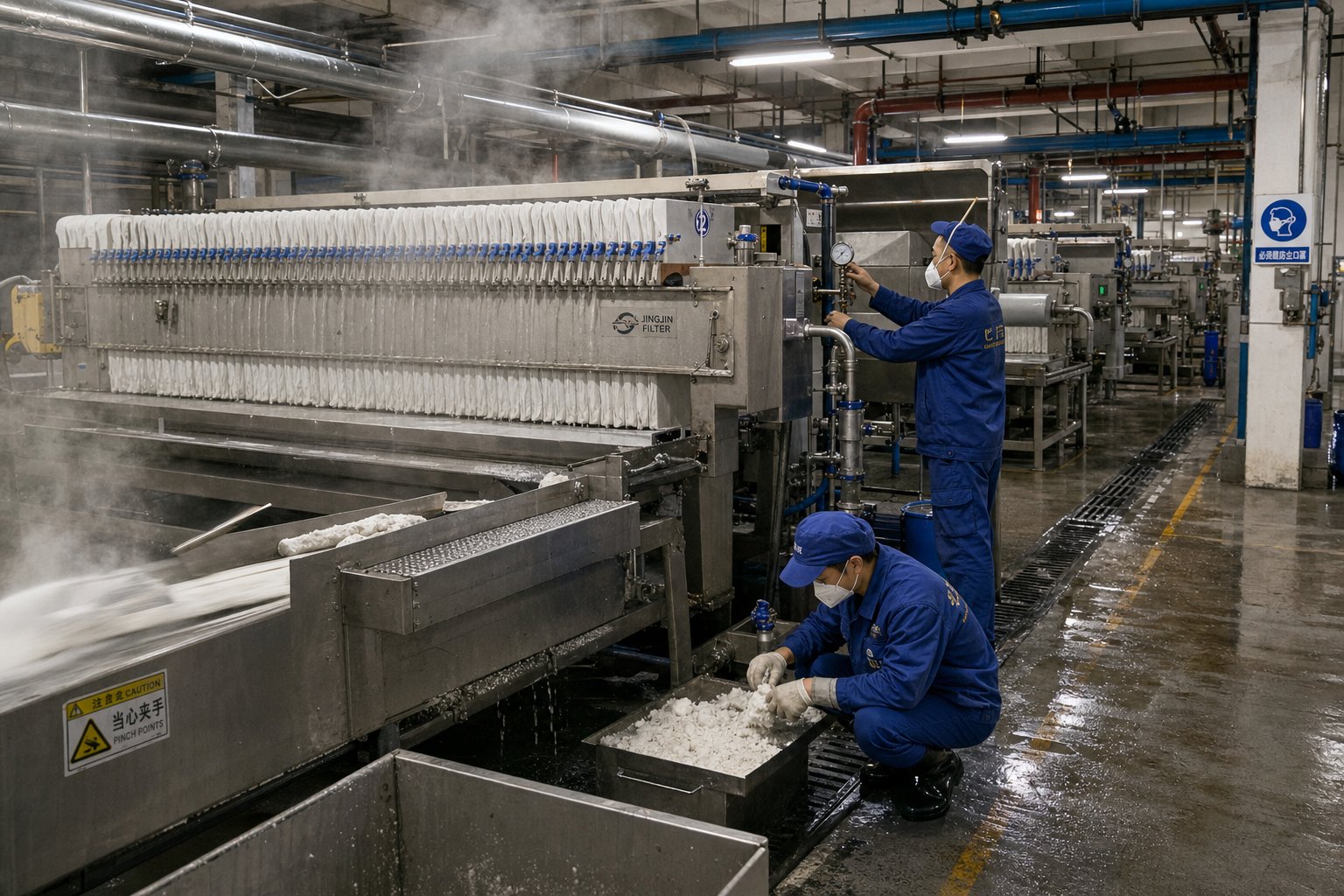
Filter presses squeeze the slurry into cake while wash water carries away the sodium sulfate the reaction left behind. We don't count wash cycles — we measure them: filtrate conductivity must fall below the grade's endpoint before the cake moves on, because salt that survives washing reappears later as purity and pH drift.

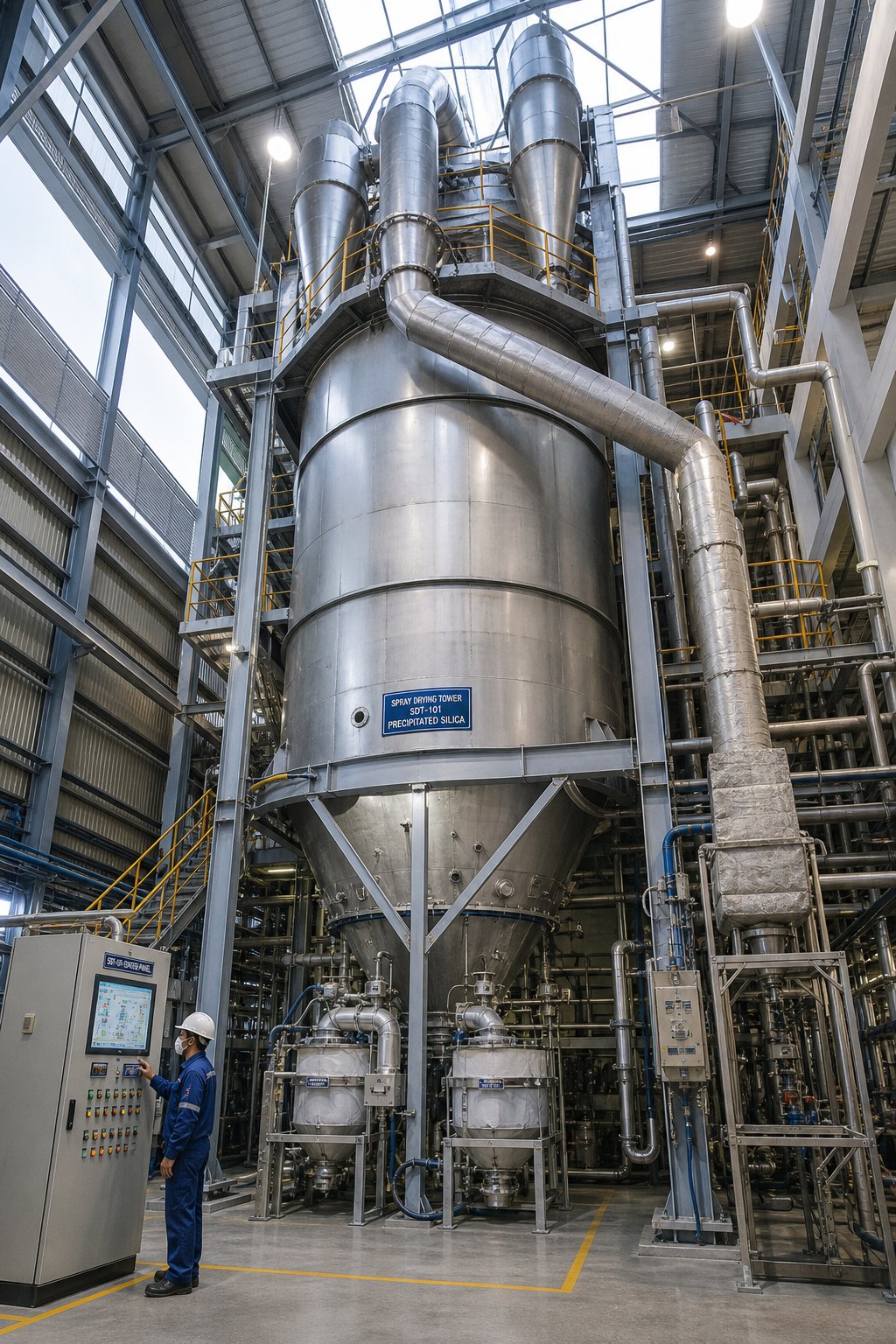
Redispersed cake is atomized into a hot tower, and the inlet/outlet temperature pair becomes the control knob for moisture, bulk density and particle build. Hold that pair steady and a free-flowing carrier stays free-flowing; let it wander and yesterday's grade becomes a different powder. Tower settings therefore live inside the locked batch record.

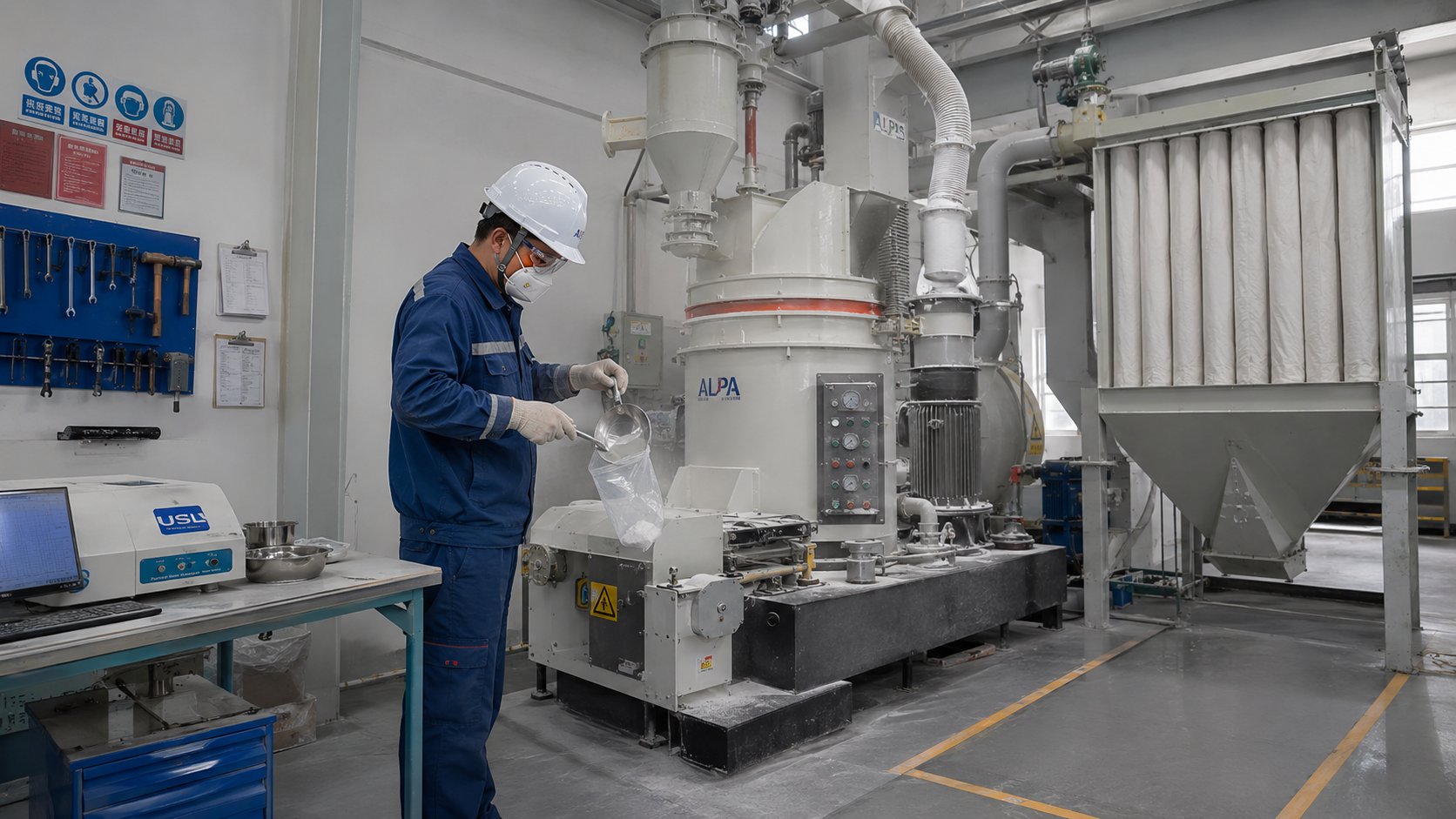
Chemistry is settled by now; particle size is not. The dried product runs through mills and air classifiers set to each grade's D50 window, with the 45 µm sieve residue capped as a second guardrail. A fine cosmetic powder and a coarse feed carrier can share a reactor recipe — they are separated here, by classifier settings alone.

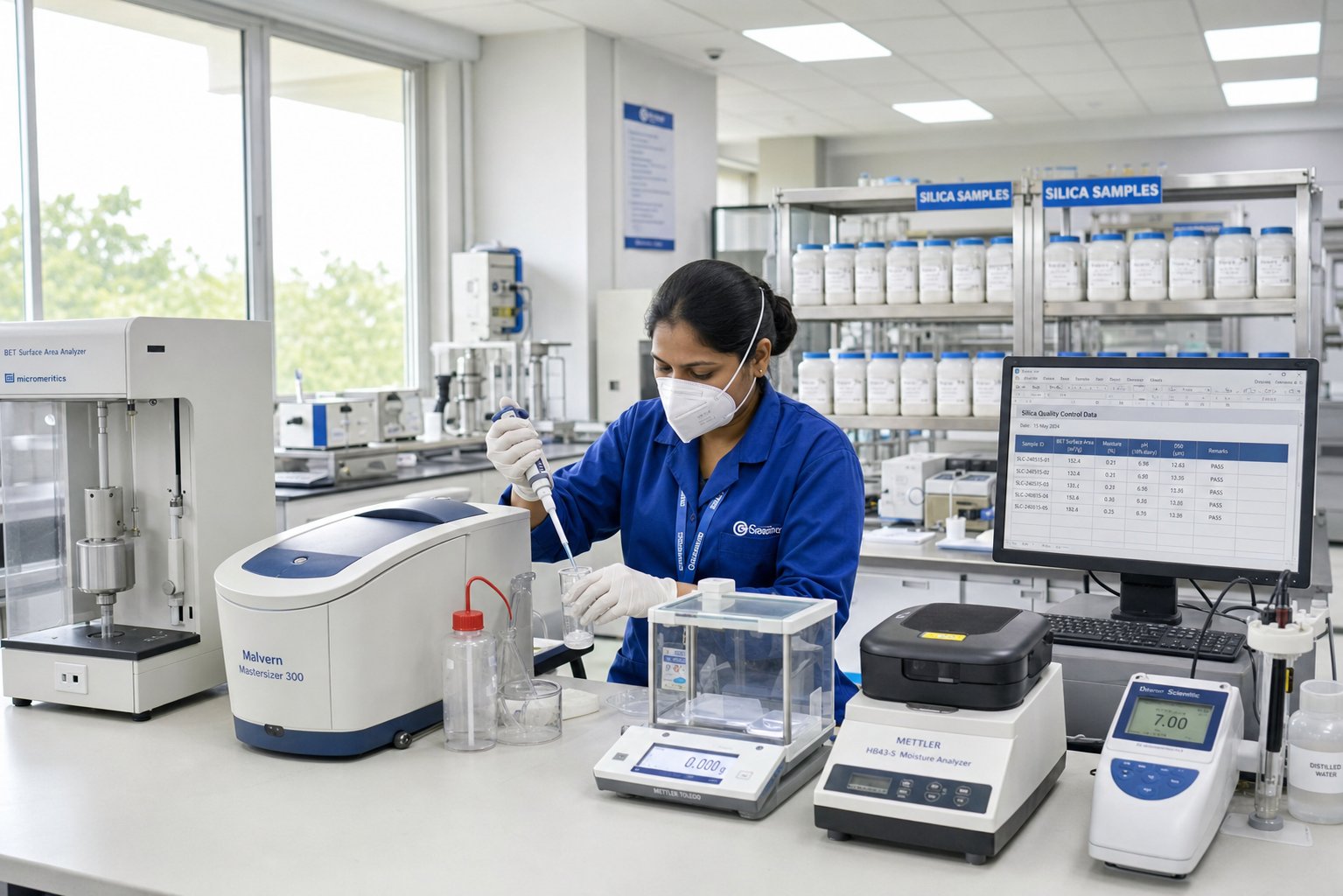
No batch leaves without numbers. The lab measures BET surface area, DBP oil absorption, laser-diffraction particle size, pH, moisture, ignition loss and SiO₂ content, then compares each figure to the specification your sample was validated against. The COA that travels with the goods is that comparison in writing — and a retained sample stays with us in case a question comes back.

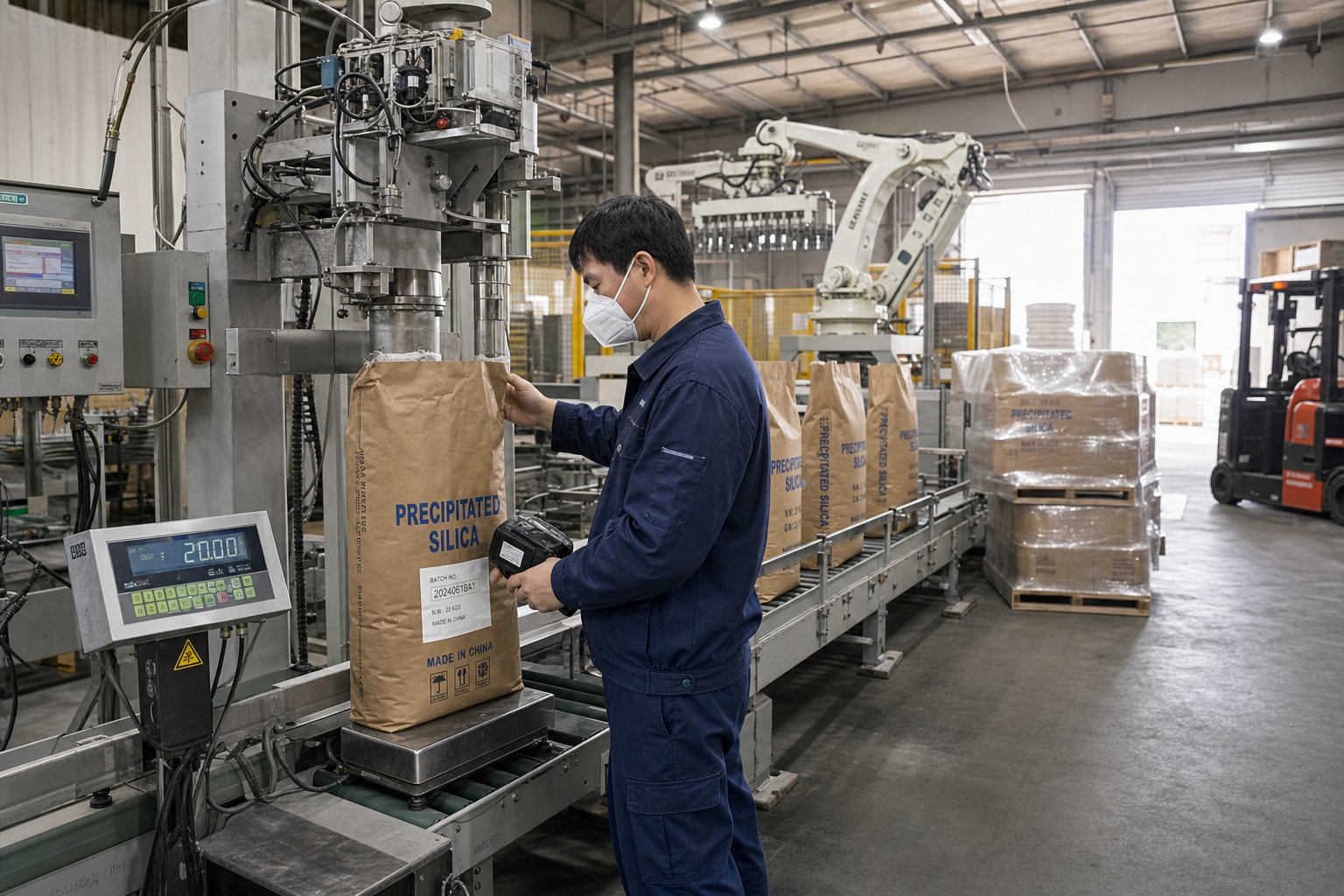
Passing batches go into PE-lined 20/25 kg kraft bags or 500 kg / 1,000 kg big bags (FIBCs), palletized, stretch-wrapped and labelled by batch so traceability survives the voyage. Because several grades can share one container, a customer can trial three materials on a single bill of lading — then reorder only the ones that earned their place.
Your validation work is an investment. We protect it by freezing the sample's production parameters into the grade recipe, so the surface area, particle size and absorption your lab approved reappear at tonne scale.
Feed carriers, food flow aids, dental silica, agro carriers, refining adsorbents and cosmetic powders all run down this same route — what separates them is which parameters each recipe fixes at precipitation and classification.
PE liners keep moisture out, batch labels keep traceability in, and mixed-grade containers keep first orders small. Scaling from a 25 kg trial to full-container repeats changes the quantity, never the material.